SM7B vs RE20 vs M88: Which Mic Really Wins for Heavy Vocals?

If you record rock or metal vocals, you already know the microphone can change everything. The right mic can make a scream feel huge, keep distorted vocals clear, and help aggressive performances sit in a dense wall of guitars and drums. The wrong one can leave you with harsh highs, muddy low mids, or a vocal track that needs too much repair after recording.
The Shure SM7B, Electro-Voice RE20, Sennheiser MD 421-II, and beyerdynamic M 88 are all dynamic microphones that can handle loud sources. But they do not sound or behave the same.
So which one really wins for heavy vocals?
For most rock and metal vocalists, the SM7B is the safest all-round choice. The RE20 is more consistent for singers who move around. The M 88 delivers the most focused, aggressive character. The MD 421-II is a versatile option that can add cut and body, especially if you already use it on drums or guitar amps.
Quick comparison
| Microphone | Best vocal use | Main strength | Watch out for |
|---|---|---|---|
| Shure SM7B | Screams, shouted vocals, harsh vocals | Smooth, thick, forgiving tone | Needs plenty of clean gain |
| Electro-Voice RE20 | Dynamic singers and moving performers | Minimal proximity effect | Can sound less “larger than life” up close |
| Sennheiser MD 421-II | Aggressive rock vocals and group vocals | Upper-mid cut and useful bass control | Can become thick at close range |
| beyerdynamic M 88 | Focused, punchy, in-your-face vocals | Detail, output, and hypercardioid rejection | Strong proximity effect and possible boominess |
Shure SM7B: The safest choice for screaming

The Shure SM7B is popular in rock and metal for a reason. It has a smooth dynamic character that can take the edge off harsh screams without making them dull. If your voice has a lot of aggressive upper-mid energy, the SM7B often gives you a more finished sound before you add EQ or compression.
It uses a cardioid pattern and has a 50 Hz–20 kHz frequency response. The built-in windscreen is useful for close vocal work, while the rear switches provide bass roll-off and a midrange presence boost.
For metal vocals, the bass roll-off can be helpful when you work very close to the grille. That extra distance-related low end can make a low growl sound powerful, but it can also cloud the guitars and kick drum. If the track feels too dark, the presence boost may help bring out articulation in words and consonants.
The major drawback is output level. Shure lists the SM7B at -59 dBV/Pa, so it needs more preamp gain than the other microphones in this comparison. Some home interfaces can provide enough gain, but you may need to run the preamp close to its limit. If that introduces hiss, use a clean inline booster or a stronger preamp.
Choose the SM7B if:
- You want thick, smooth screams.
- Your voice is naturally bright or harsh.
- You record close to the microphone.
- You need a forgiving mic for both singing and shouting.
- You are willing to provide enough clean preamp gain.
Start around 2–4 inches from the grille, slightly off-axis. This helps reduce plosives and keeps the most explosive consonants from hitting the capsule directly.
Electro-Voice RE20: The consistency winner
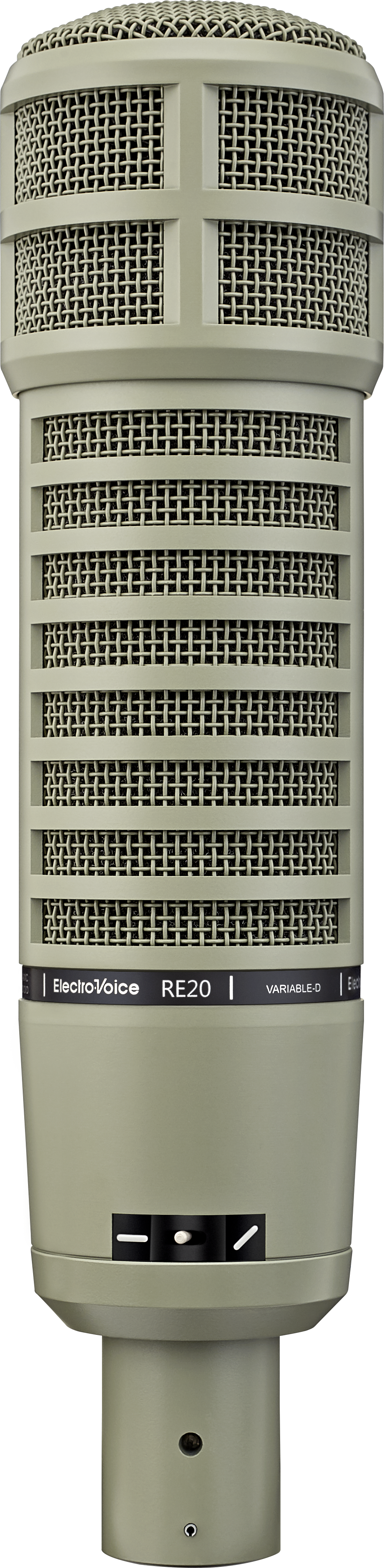
The Electro-Voice RE20 is often associated with broadcast voices, but it is also an excellent music-recording microphone. Its biggest advantage is Variable-D, a design that minimizes proximity effect.
That matters when recording heavy vocals because singers rarely stay perfectly still. You may lean into the mic for a low scream, pull back for a high note, or move during a full-intensity chorus. With many cardioid microphones, those movements cause the low end to change dramatically. The RE20 keeps the tone more stable.
Its official frequency response is 45 Hz–18 kHz, with a cardioid pattern and 150-ohm balanced output. It also includes a mid-bass tone-shaping switch and strong internal pop filtering.
The RE20 tends to sound controlled, natural, and focused. It may not give you the same instant “radio voice” thickness as an SM7B, but that can be an advantage in a busy metal mix. You get a tighter vocal foundation that leaves more room for distorted guitars, cymbals, and kick drum.
For aggressive vocals, try the RE20 when the singer has wide dynamic swings or struggles to maintain a consistent distance. It is also a strong choice for untreated rooms because the directional pattern helps reject some room sound, although no dynamic microphone can completely fix a reflective space.
Choose the RE20 if:
- The vocalist moves a lot while performing.
- You want less proximity-effect boom.
- Your vocal needs to remain consistent from verse to chorus.
- The guitars and drums already occupy a lot of low-mid space.
- You prefer a natural, controlled sound over a heavily colored one.
Start around 1–3 inches away and adjust based on the singer’s tone. The RE20 allows close work without the same dramatic bass buildup as the SM7B, MD 421-II, or M 88.
Sennheiser MD 421-II: The cut-and-body option

The Sennheiser MD 421-II is a classic for drums, guitar cabinets, and loud instruments. That background makes it a natural candidate for rock and metal vocals.
Its 30 Hz–17 kHz frequency response, cardioid pattern, and ability to handle high sound pressure levels give it plenty of flexibility. The five-position bass roll-off switch is particularly useful. You can keep more body for a thin voice or reduce low-end buildup when the vocalist works close.
Compared with the SM7B, the MD 421-II can feel more open and forward in the upper mids. That extra cut may help an aggressive vocal stay understandable over dense rhythm guitars. It can also make a naturally nasal or harsh voice more tiring, so listen carefully before reaching for heavy compression or EQ.
The MD 421-II is a particularly practical choice for a small recording setup. You can use it on vocals, toms, guitar amps, and other loud sources. If you are recording a full metal production at home, one microphone that performs well across multiple sources is valuable.
Choose the MD 421-II if:
- Your vocal needs more upper-mid presence.
- You want a vocal mic that also works well on drums and guitar amps.
- You need adjustable low-end control.
- Your voice sounds too soft or buried through the SM7B.
- You prefer a more direct, live-feeling tone.
Start around 3–6 inches away. Try the speech-oriented bass setting if the vocal becomes too thick, then compare it with a gentle high-pass filter during mixing.
beyerdynamic M 88: The aggressive, focused choice
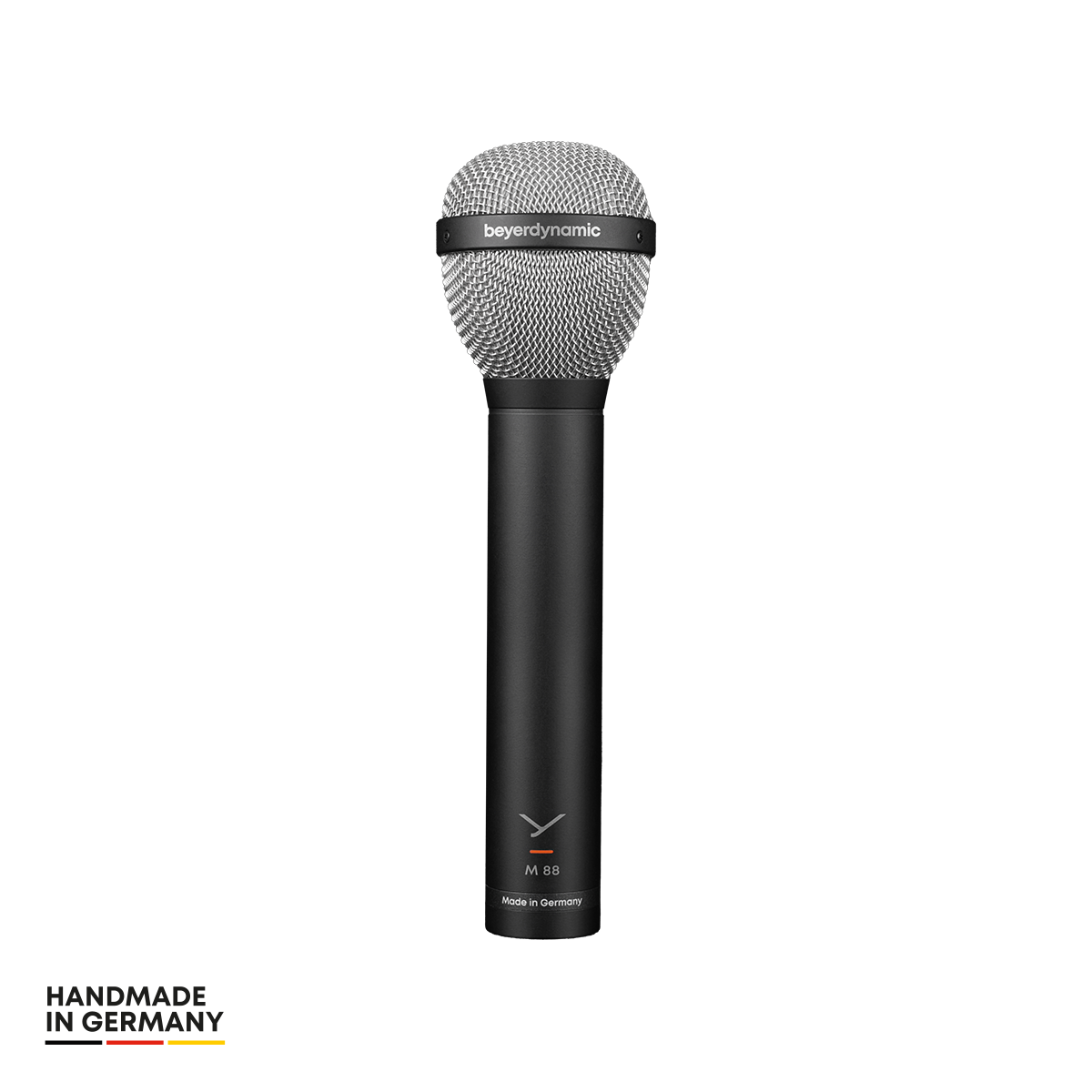
The beyerdynamic M 88 is the most distinctive option here. It uses a hypercardioid pattern and offers a 30 Hz–20 kHz frequency response. Beyerdynamic describes it as a vocal microphone with detailed bass response, smooth treble boost, and high sensitivity.
In practical terms, the M 88 can sound powerful, detailed, and very close. It produces a strong sense of impact that works well for hardcore shouts, low screams, and aggressive rock vocals. Its focused pickup pattern can also help when recording in a less-than-perfect room.
The trade-off is proximity effect. The closer you get, the more low end you may add. That can be exciting on a thin voice, but overwhelming on a naturally deep vocalist. The hypercardioid pattern also means placement matters. Keep the singer directly in front of the microphone and pay attention to sound coming from behind it.
The M 88 has more output than the SM7B, so it is generally easier to use with an average home-studio interface.
Choose the M 88 if:
- You want a punchy, immediate vocal.
- You record in a noisy or untreated room.
- Your voice benefits from extra weight and detail.
- You want a microphone that also works on kick drum, toms, and guitar amps.
- Your interface does not have a huge amount of clean gain.
Start around 4–8 inches away. Move closer only when you deliberately want more low-end intensity.
Gain staging and compression still matter
A great microphone will not save a poorly staged recording. Before comparing tone, set your preamp so the loudest scream peaks comfortably around -12 to -6 dBFS in your DAW. You do not need to record as loud as possible. Leave headroom for unexpected peaks.
If you use an SM7B, watch for preamp hiss. Add clean gain rather than compensating with excessive compression later.
For monitoring, gentle compression can help the vocalist hear a more stable signal. Try a moderate ratio around 3:1 or 4:1, with approximately 3–6 dB of gain reduction on louder phrases. Record the clean signal whenever possible so you can make better decisions during mixing.
After recording, use EQ to control rumble and muddy low mids before adding more compression. Tuning can help correct pitch, but it should not be used to disguise inconsistent mic distance, clipping, or a room full of reflections.
Final verdict: which mic wins?
For most heavy vocal recording situations, the Shure SM7B wins as the best all-rounder. It is forgiving, smooth, and easy to fit into a rock or metal mix.
But the best choice depends on the vocalist:
- Best overall for screams: Shure SM7B
- Best for movement and consistency: Electro-Voice RE20
- Best for cut and versatility: Sennheiser MD 421-II
- Best for focused aggression and output: beyerdynamic M 88
If possible, test the microphones with the same performance, distance, preamp gain, and headphone mix. The winning microphone is the one that makes the vocalist perform confidently and gives you a strong track before heavy processing begins.
For more recording guidance and heavy music production support, visit Performing Violence.